
5 Common Vinyl Siding Problems Homeowners Should Know About (Part 1)
Vinyl siding has become a popular choice for homeowners. However, vinyl siding is not immune to problems. Many people assume vinyl siding is a one-time, maintenance-free solution, only to discover over time that this assumption is far from accurate.
In this article, we will explore five common vinyl siding problems homeowners frequently encounter. You can view the remaining five issues in Part 2 of this blog here. Understanding these problems before choosing vinyl siding can help you avoid costly repairs and long-term frustration.
1. Vinyl Siding Cracking and Splitting
Cracking and splitting rank among the most common vinyl siding issues. Extreme temperatures, accidental impacts, and natural aging often cause this damage. Once cracks appear, moisture can enter the wall system and cause serious structural problems.
Homeowners should replace damaged sections as soon as possible to prevent further deterioration and costly repairs to the home’s exterior.
2. Vinyl Siding Fading
Over time, vinyl siding often fades due to prolonged exposure to sunlight and harsh weather conditions. UV rays break down the material and cause uneven discoloration across the home.
Restoring the original appearance typically requires painting the siding, which involves expensive, time-consuming labor and specially formulated paint designed specifically for vinyl surfaces.
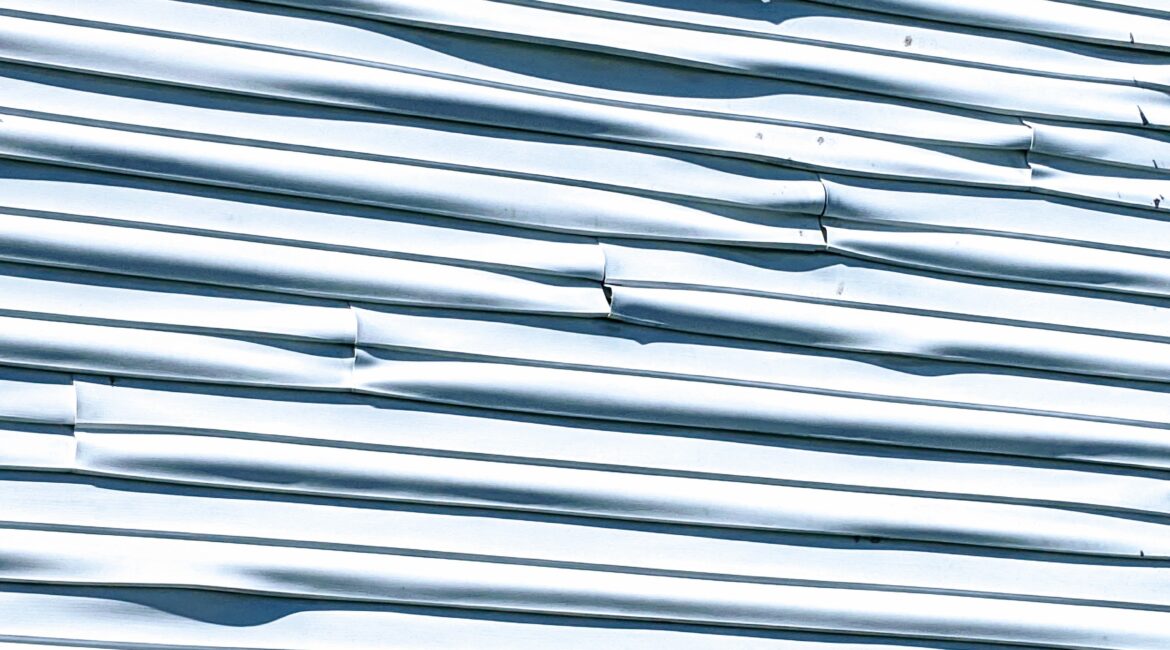
3. Vinyl Siding Warping
Excessive heat or improper installation can cause vinyl siding to warp. Warped panels reduce curb appeal and prevent the siding from performing as intended.
When warping occurs, homeowners should consult a siding professional who can evaluate the issue and recommend corrective action. In many cases, replacement becomes the only reliable solution.
4. Loose Vinyl Siding Panels
Loose or wobbly vinyl siding panels often result from improper installation or severe weather. Strong winds can easily pull lightweight panels away from their fasteners.
If left unaddressed, loose panels allow water to penetrate behind the siding, increasing the risk of moisture damage and mold growth. Prompt repairs help prevent more extensive problems.
5. Moisture and Mold Problems
Moisture intrusion behind vinyl siding can lead to mold growth, wood rot, and structural damage. Early warning signs include bubbling, discoloration, or a musty odor near exterior walls.
Homeowners should inspect their siding regularly and repair or replace damaged areas immediately. Proper waterproofing plays a critical role in preventing long-term moisture issues.
Conclusion
While vinyl siding offers certain short-term benefits, it also presents numerous long-term challenges. Cracking, fading, warping, loose panels, and moisture problems often lead to ongoing maintenance and unexpected expenses.
For homeowners looking to repair or replace vinyl siding, steel siding offers a superior alternative. Steel siding delivers exceptional durability, requires virtually no maintenance, and avoids many of the weaknesses associated with vinyl.
If you are experiencing problems with your vinyl siding and want to learn more about the benefits of steel siding, we encourage you to give us a call. We would be happy to schedule an on-site visit, show product samples, and explain how steel siding can protect your home for decades.

MAXWALLPRO LLC
1-855-MAXWALL
1-855-629-9255
MAXWALLPRO’s Steel Siding Systems are virtually maintenance-free, cannot be easily damaged, and do not fade with time. Our life-time warranty is transferable – if you sell your home the warranty stays with your home. The investment of a MAXWALLPRO Steel Siding System installed on your home or building is one that you will not regret, unlike vinyl siding which is pretty much destined to fail.
