
The 10 Most Common Vinyl Siding Problems (Part 2)
We have compiled the 10 most common vinyl siding problems homeowners should understand before choosing this exterior material. This article is Part 2, covering problems 6 through 10. We previously shared problems 1 through 5, which you can find [here].
These issues matter more than most consumers realize, especially when deciding whether vinyl siding is truly the right long-term solution for a home or building.
6. Insect Infestation
Although vinyl siding itself does not attract insects, pests such as carpenter ants and termites can still invade the wood structures beneath it. Once insects gain access, they can cause extensive damage before homeowners even notice a problem.
Homeowners should regularly inspect their siding and surrounding areas for warning signs such as small holes, wood shavings, or visible insects. When an infestation appears, a licensed exterminator should address it immediately, along with preventive treatments to reduce future risk.
7. Thermal Expansion and Contraction
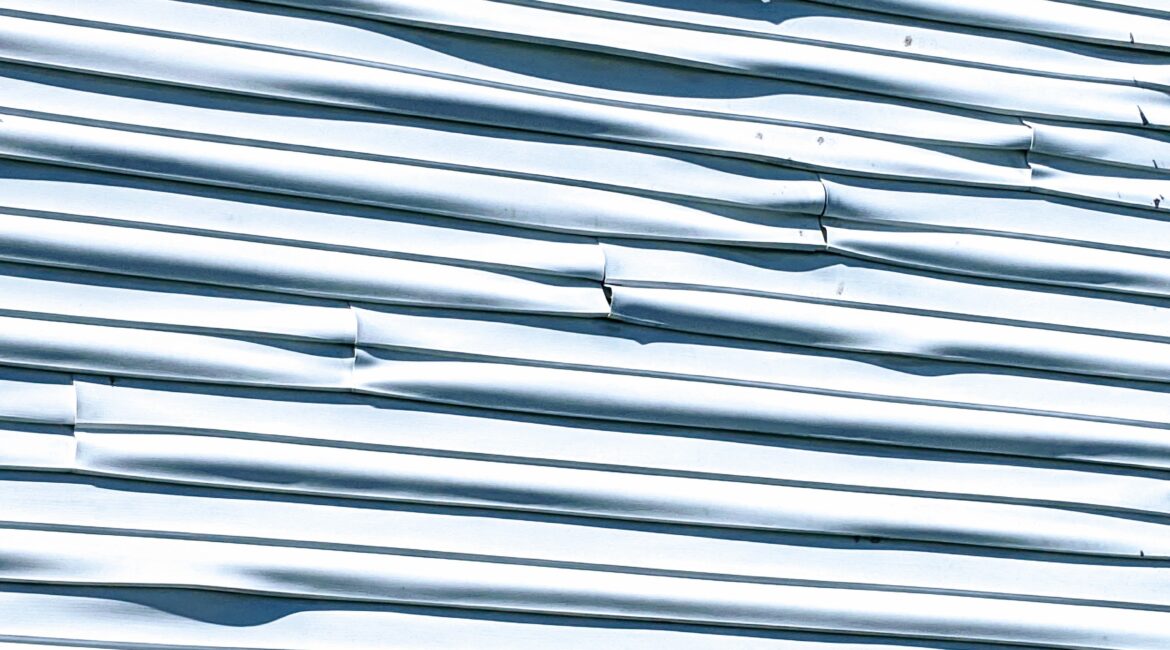
Vinyl siding expands and contracts as temperatures rise and fall. When installers fail to allow proper spacing for this movement, the panels can buckle, warp, or shift out of place.
Improper installation greatly increases this risk, especially in regions with extreme temperature changes. Over time, repeated expansion and contraction can compromise both appearance and performance.
8. Impact Damage
Vinyl siding remains vulnerable to hail, flying debris, lawn equipment, and accidental impacts. Even minor strikes can crack or puncture the panels.
Once impact damage occurs, homeowners often need to replace entire sections. While patch kits exist, repairs rarely blend well with existing siding, especially if fading has already occurred.
9. UV Degradation
Prolonged exposure to ultraviolet (UV) rays gradually weakens vinyl siding. Over time, the material can become brittle, faded, or cracked.
Although homeowners cannot avoid sun exposure, they can reduce damage by choosing higher-quality vinyl with UV inhibitors. Routine cleaning and maintenance may slow deterioration, but they cannot stop it entirely.
10. Poor Drainage and Water Accumulation
Improper installation or poor drainage can allow water to collect behind vinyl siding. Trapped moisture often leads to wood rot, mold growth, and structural damage.
Homeowners should ensure their gutter systems function properly and direct water away from the structure. Regular inspections help identify drainage problems early, allowing corrective actions such as adjusting panel slope or improving ventilation.
Conclusion
While vinyl siding offers certain short-term advantages, it also presents numerous long-term risks and maintenance challenges. Many homeowners eventually face repeated repairs, fading, impact damage, or hidden structural issues.
For those considering repairing or replacing vinyl siding, steel siding offers a superior alternative. Steel siding provides exceptional durability, resists insects and impact damage, withstands extreme weather, and avoids many of the weaknesses associated with vinyl.
If you are currently experiencing problems with your vinyl siding—or would like to explore a stronger, longer-lasting solution—MAXWALLPRO Steel Siding Systems deliver protection, performance, and peace of mind for decades to come.

MAXWALLPRO’s Steel Siding Systems are virtually maintenance-free, cannot be easily damaged, and do not fade with time. Our life-time warranty is transferable – if you sell your home the warranty stays with your home. The investment of a MAXWALLPRO Steel Siding System installed on your home or building is one that you will not regret, unlike vinyl siding which is pretty much destined to fail.
MAXWALLPRO LLC
1-855-MAXWALL
1-855-629-9255
